What is Kinesiology?
A bit of History...
The Origins
Dr George Goodheart, chiropractor, develops Applied Kinesiology in the United States, a chiropractic approach based on the use of manual muscle testing as a functional assessment tool, positing links between muscles, the nervous system, and the meridians derived from traditional Chinese medicine.
Kinesiology thus integrates principles of western medicine (anatomy, physiology) and the Traditional Chinese and Tibetan Medicines (Acupressure points, meridians...).
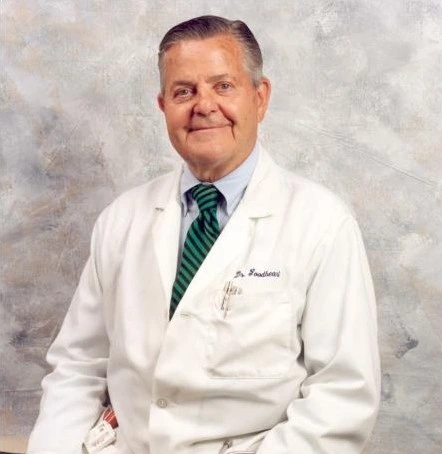
Dr George Goodheart
Touch for Health
This approach is based on simplified protocols and an educational and preventive orientation, marking the beginning of the spread of kinesiology beyond the strictly professional scope of chiropractic care.
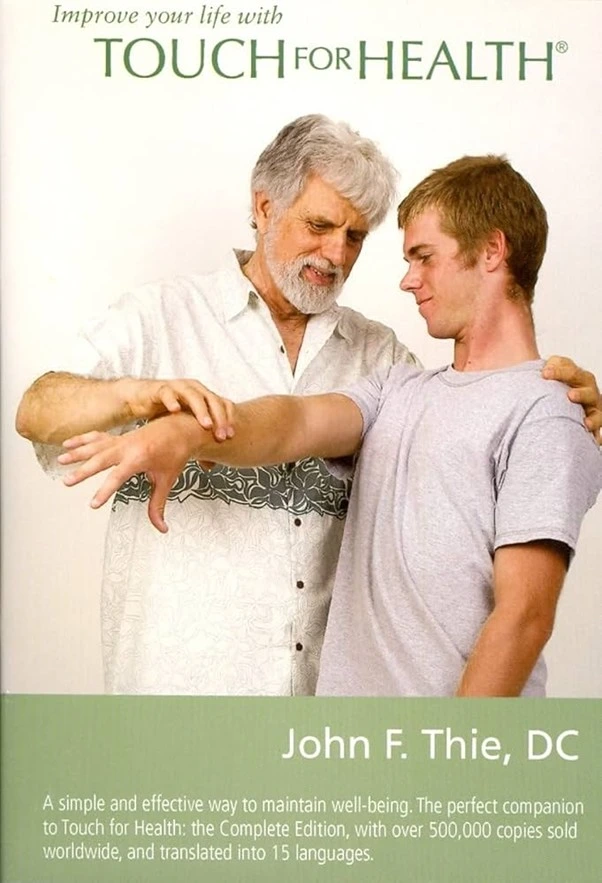
Dr John Thie
Diversification of Approaches
Gordon Stokes, Daniel Whiteside, and Candace Callaway develop Three In One Concepts / One Brain, an approach to kinesiology focused on emotional stress, behavioural patterns, and the concept of stress-related "barriers".
This orientation broadened the scope of kinesiology by further integrating the emotional and behavioural dimensions of the human experience.
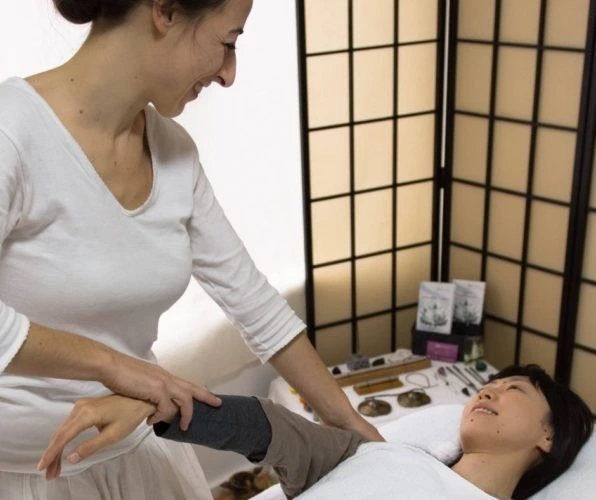
Muscle Testing
Development and Dissemination
These approaches subsequently spread widely at the international level, particularly in Europe, Australia, and Canada.
Advances in stress and the body
In this context, kinesiology is experienced by many people as a practice of bodily exploration and self-awareness, enabling them to experience these principles concretely and to develop, in everyday life, a better awareness of their stress responses.
The work of Stephen Porges and Bessel van der Kolk has contributed to legitimising the growing interest in body-based approaches within personal processes of regulation and well-being.
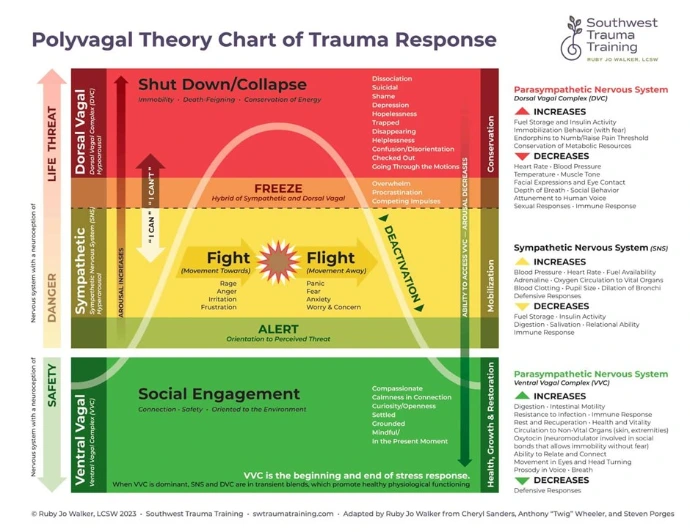
The physiological reactions to stress
The memory of the Body
The body remembers everything
Kinesiology is based on a fundamental principle:the body remembers everything.
Every cell, every muscle fiber, every fascia, every tissue holds the memories of the experiences we have gone through since conception. Even when our conscious mind forgets or represses certain events, the body itself, however, forgets nothing.
From unconscious stress to freer choices
Through muscle testing, the central tool of kinesiology, we gain access to this bodily memory. It makes it possible to reveal long-standing stress, buried fears, anger, or pain which—though often unconscious—deeply influence our behaviors, reactions, and everyday choices.

Lightening the emotional load, Reclaiming Your Potential
In kinesiology, what matters is not the event itself, but the emotional imprint it has left. The goal is not to erase the past, but to release the associated stress so that it no longer holds us back.
By lightening this emotional load, we reconnect with our full potential, greater inner freedom, and a renewed way of living.

Releasing Blockages to Reclaim Your Full Potential
Kinesiology is therefore a gentle, holistic approach that uses muscle testing to access the body’s memory, engage in dialogue with it, and identify the emotional, physical, or energetic stresses that hinder balance.
By accessing bodily memory, it enables the release of unconscious blockages and the restoration of overall natural well-being, in connection with our full potential.
For whom, For what?
Beyond existing imbalances, kinesiology can also be part of a preventive and lifestyle-oriented approach, fostering the maintenance of inner balance and everyday adaptability. Babies, children, teenagers, adults—men and women alike—kinesiology is for everyone.

Anxiety and Mental Fog Management
For people who feel overwhelmed by stress, anxiety, emotional tension, or sleep disturbances. The aim is to identify and release the energetic and emotional blockages at the root of these imbalances.
Benefits: renewed energy, relief from emotional tension, greater serenity, reduced stress and anxiety, and improved sleep.
Life Transitions
Benefits: improved adaptability to change, clearer decision-making, increased resilience, and renewed energy.

Emotional support and personal development
Benefits: increased self-confidence and self-esteem, improved emotional regulation, enhanced relationships, and achievement of personal goals.

Performance Optimization (Sports, Professional, Academic)
Benefits: improved concentration, increased endurance, enhanced self-confidence, better management of performance-related stress, improved posture and proprioception, and achievement of goals.

Management of Chronic Pain and Physical Blockages
For individuals who experience chronic pain, muscle tension, joint restrictions, or postural imbalances. The aim is to identify and release the physical and energetic blockages at the root of these pains.
Benefits: improved mobility, muscle relaxation, correction of postural imbalances, and renewed energy.
Relief from Past Trauma
The kinesiology approach to PTSD (Post-Traumatic Stress Disorder) and past trauma is intended as a complement to traditional medical and psychological approaches.
It offers a gentle and respectful pathway to explore and release the imprints left by traumatic experiences.


How does a session take place?
1
Initial interview
I will ask you questions about your personal history, your health status, your emotions, and your lifestyle habits.
This initial exchange helps to clarify your situation and define the focus of the session.
2
Muscle testing
These tests are not intended to measure muscle strength, but rather to detect variations in muscle tone.
Different muscles may be tested depending on the issue being addressed, so wearing comfortable clothing is recommended.
3
Identification of imbalances
Through muscle testing, I identify energetic imbalances, blockages, and stressors that may be at the root of your difficulties.
Together, we may also identify emotions, thoughts, or past events linked to these imbalances.
4
Balancing
These techniques may include acupressure point stimulation, specific movements, breathing exercises, eye movements, visualizations, or emotional corrections.
The techniques used are adapted to your needs and to your body’s responses.
5
Integration and Guidance
This may include exercises to practice at home, lifestyle adjustments, or stress management techniques.
I may also suggest follow-up sessions if needed, but the decision to continue—or not—always remains yours.




Duration, Frequency, Fees
Duration
Between 1 hour and 1 hour 15 minutes, up to 1 hour 30 minutes for the first session.
Frequency
- For specific, short-term concerns, one to three sessions may be sufficient.
- When imbalances are deeper, support over several sessions allows for a gentler process, guided by your own pace and experience. Each session then helps to lift emotional layers and ease bodily memories that may still be influencing your choices or reactions.
Fees
The session is offered at a flat rate of €85.
The kinesiology can also be experienced as a preventive and holistic lifestyle approach. Even in the absence of a specific issue, it can be beneficial to have sessions on a regular basis—for example, every four months—in order to maintain harmony between body and mind and to prevent the emergence of new imbalances.
Much like in Traditional Chinese Medicine, it encourages a proactive approach to health management, supports inner balance, and strengthens our ability to adapt to everyday challenges.
“Kinesiology helps us gradually clear away the layers of stress and blockages, allowing our true colors—those of our deepest essence—to shine once again.”